



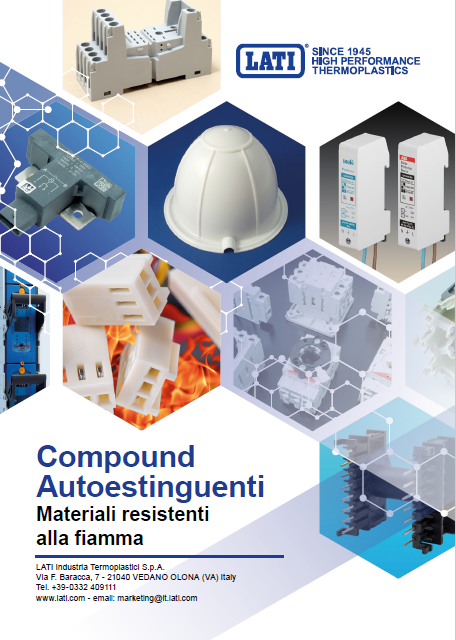

Sectors and Applications
{"cpt":"service","style":"2","columns":"3","show":999,"from_category":["am-stampa-3d","automotive-trasporti","edilizia-costruzioni","elettrico-elettronico","elettrodomestici-altri-beni-di-consumo","industria"],"order":"DESC","orderby":"date"}
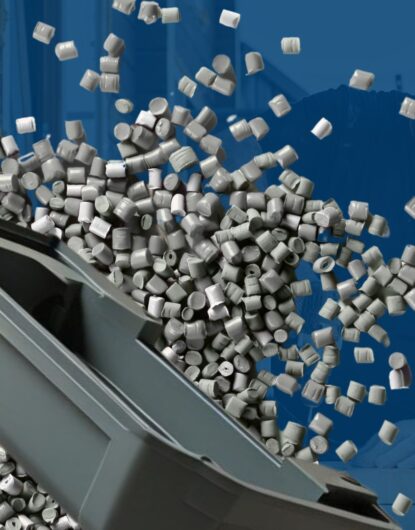




Learn more
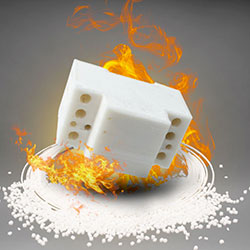

CASE STUDY, WEBINAR & MORE
Discover the News Related to our Recycled LATIECO Materials
In this section, you will find updates, events, and webinars dedicated to our flame-retardant materials: safe and high-performance solutions for the electrical, electronic, appliance, automotive sectors, and more. Follow our initiatives to discover news, applications, and technical insights.
{"cpt":"blog","style":"1","columns":"3","show":6,"from_category":["materiali-recycled-based"],"order":"DESC","orderby":"none"}

Thermally conductive materials for LED lighting: metal replacement even with recycled polymers
Heat management is one of the most critical aspects in the…
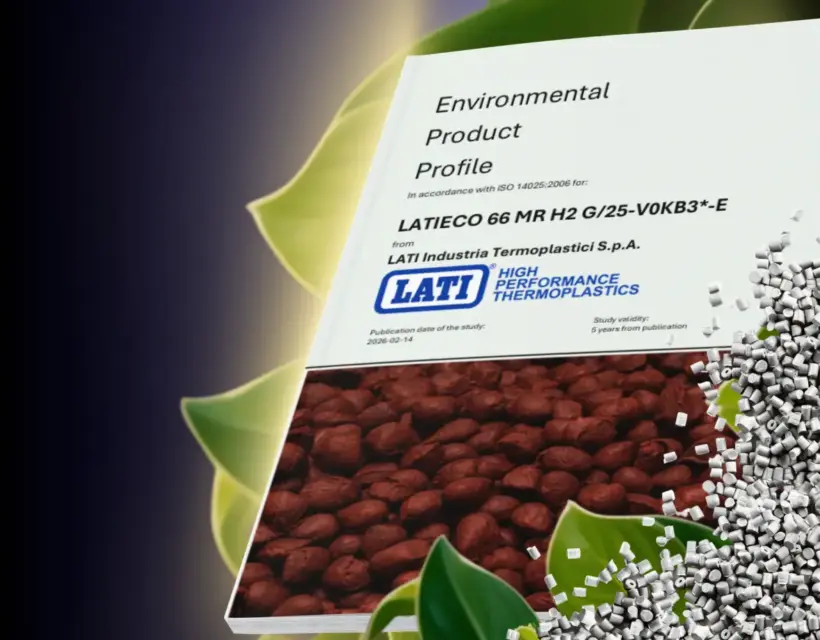
Environmental Product Profile (EPP): Integrating Environmental Data into Engineering Plastics Design
The integration of environmental criteria into design processes is an increasingly…

LATI supports circular economy and Scope 3 decarbonisation in Hager’s MCB Commercial Platform
Circular economy solutions for electrical protection devices LATI, Italian producer of…

Webinar – Advanced Plastic Materials for E-Mobility
The evolution of electric mobility imposes new requirements on materials: thermal…

Hager Chooses LATI to Reduce the Carbon Footprint of the Arc Fault Detection Device (AFDDs) Series
Hager Group has decided to further improve the sustainability of its…

How to Choose Recycled Plastic Materials without Compromising Technical Performance
Sustainability and Circular Economy in Material Selection The recycling of plastics…
 Accessibility Statement