


LATI PRODUCTS GUIDE Engineering Thermoplastics - Flame Retardant - High Performance
LATI PRODUCTS GUIDE Engineering Thermoplastics - Flame Retardant - High Performance
LATI PRODUCTS GUIDE Engineering Thermoplastics - Flame Retardant - High Performance

Sectors and Applications

Learn more

CASE STUDY, WEBINAR & MORE
Discover the Latest News on our LATIGEA Bio-Based Materials

Webinar – Sustainability and Circular Economy in Technical Thermoplastics
What do “sustainability,” “circular economy,” “recovery and recycling” mean?
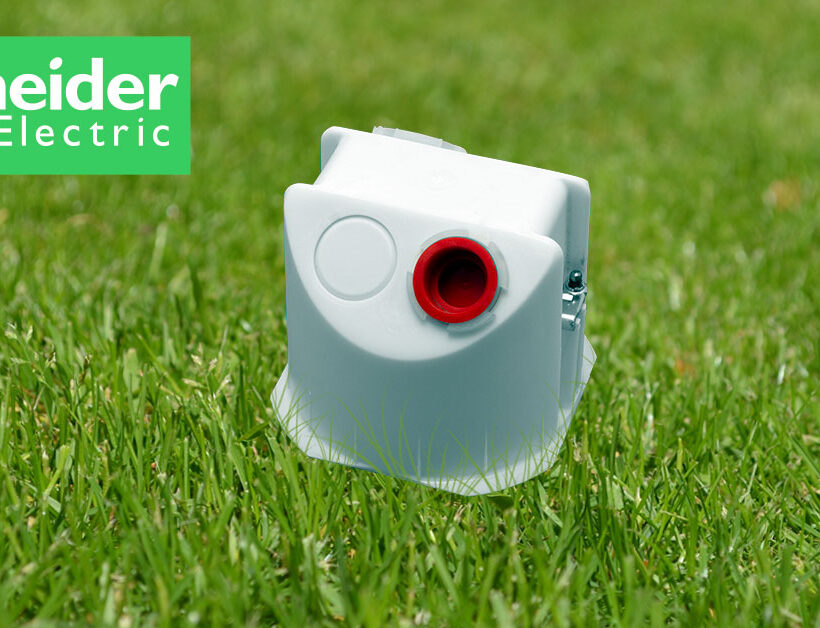
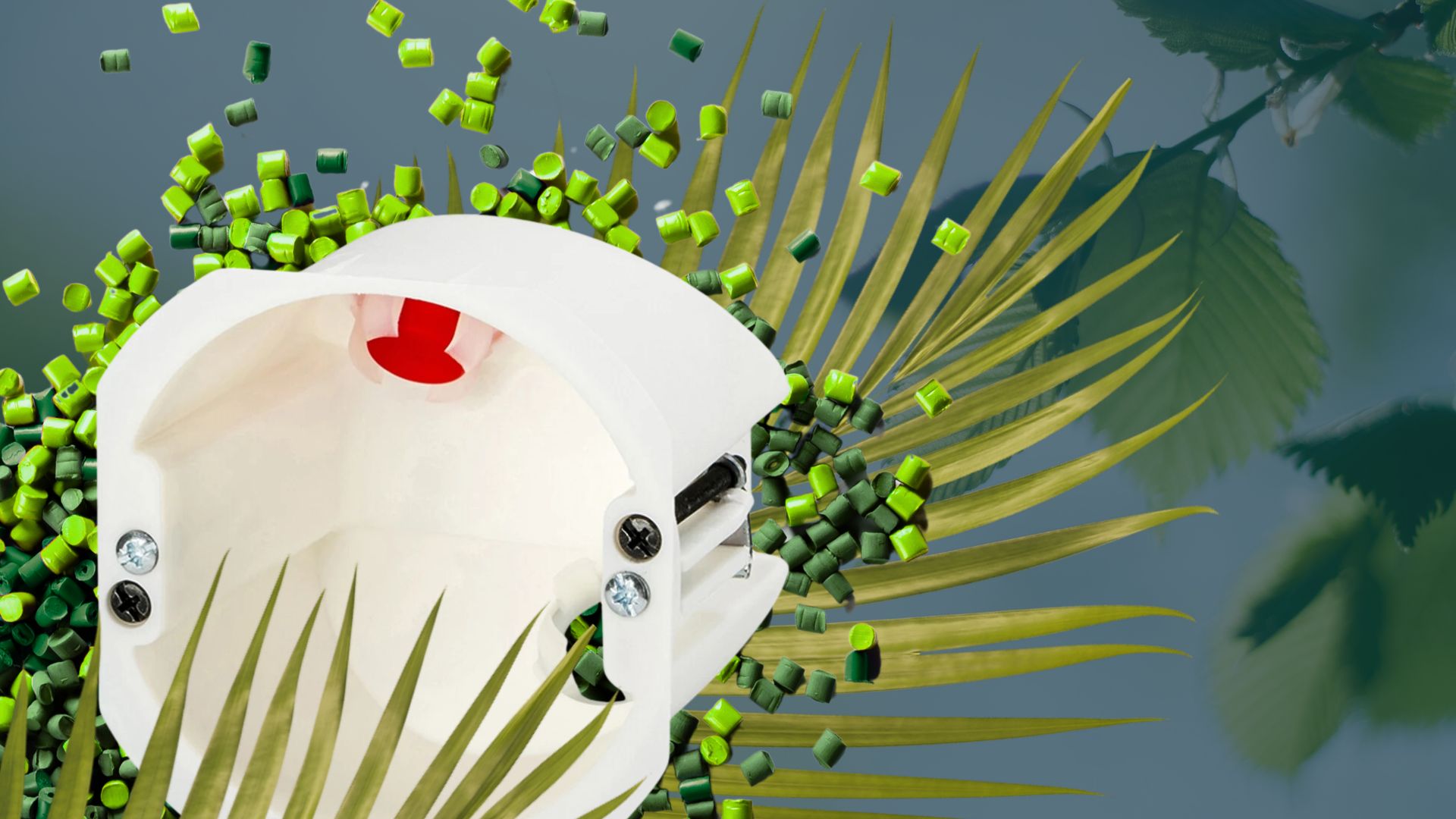
Schneider Electric and LATI for Sustainability with Multifix BIO
From the shared commitment to sustainability, environmental protection and innovation of Schneider Electric and LATI comes the Multifix Bio line of flush-mount junction boxes.
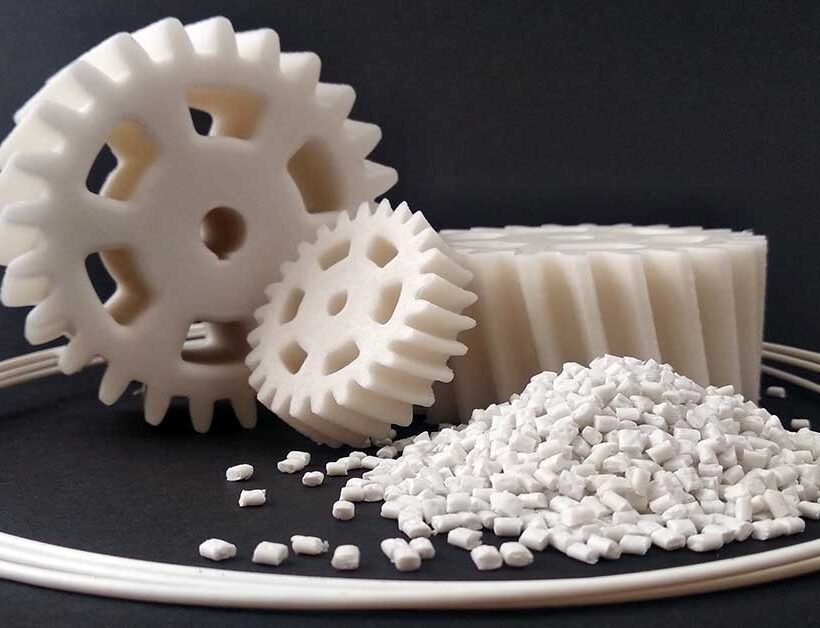
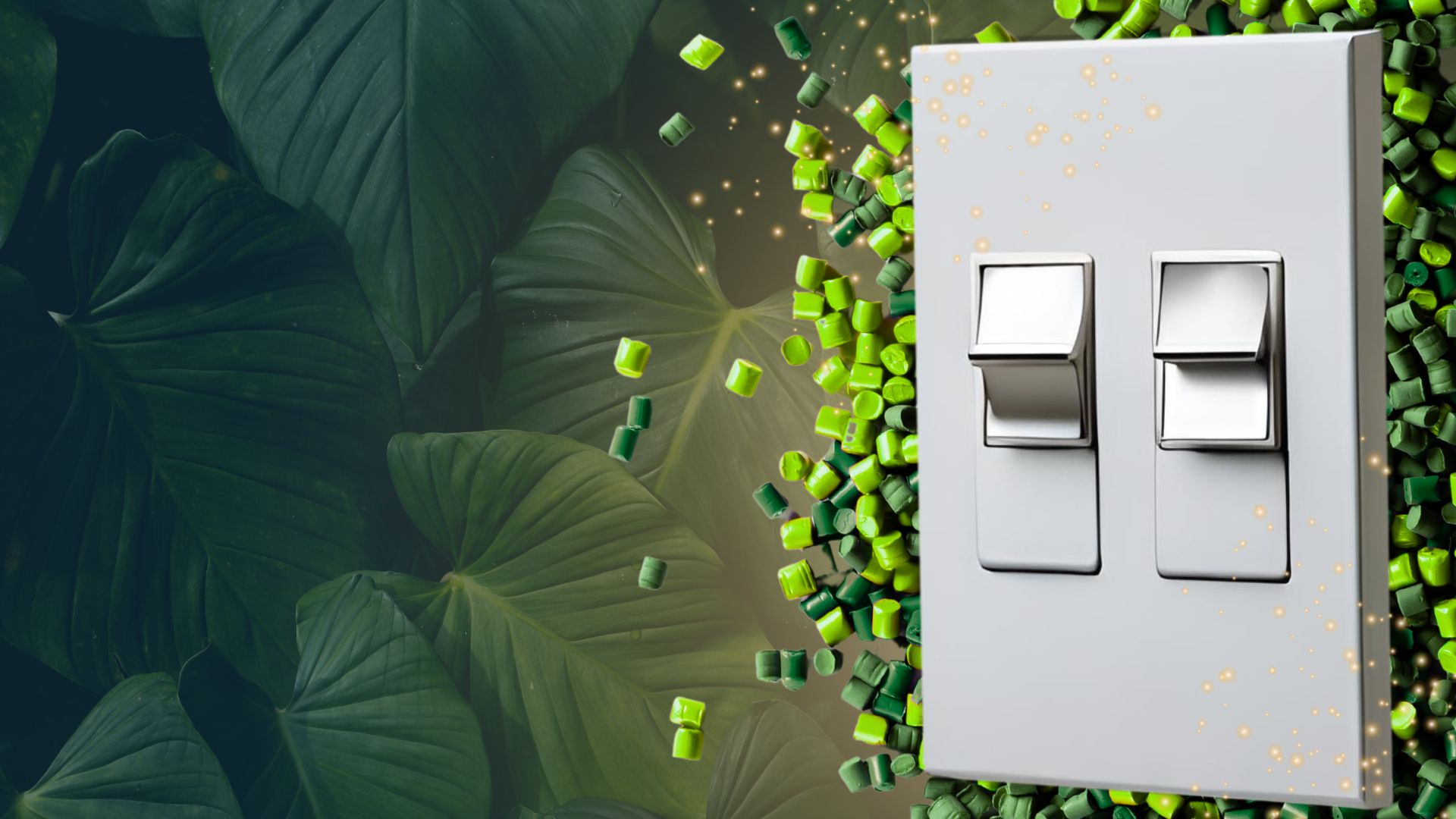
LATIGEA B01 L/07: 100% Renewable-Sourced Thermoplastic with Wood Fibers
LATIGEA B01 L/07 is a thermoplastic compound developed by LATI from 100% renewable sources, such as wood fibers. Biodegradable and recyclable, this material combines environmental sustainability, natural appearance, and good technical performance, making it ideal for eco-friendly consumer applications.
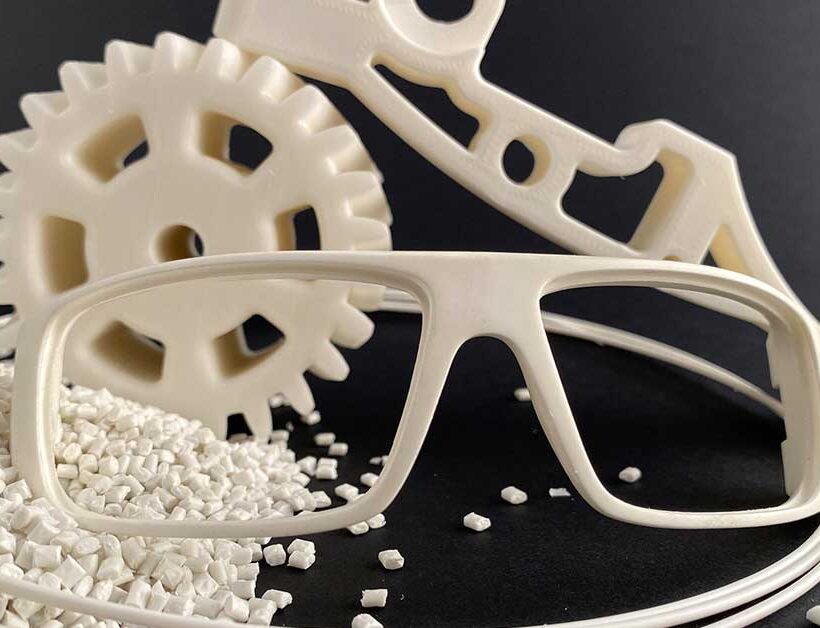
High-Performance PLA Compound for 3d Printing: beyond the Limits of Traditional PLA
PLA, along with ABS and PETg, is today one of the most widespread polymers for filaments intended for 3D printing thanks to its low cost and ease of use.
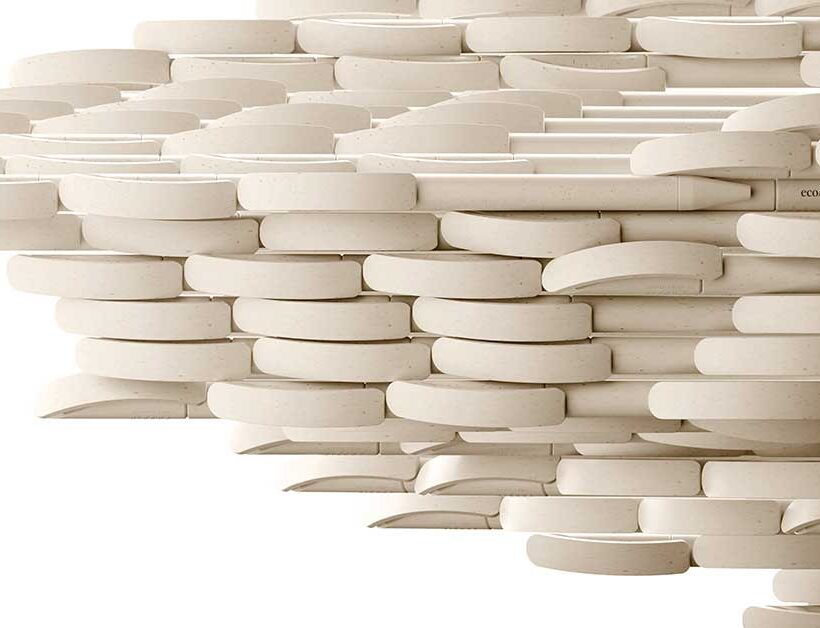
Biodegradable PLA-based Thermoplastic Compound: Sustainability and Performance for Eco-Friendly Products
The rapid evolution of sustainable and low environmental impact products certainly rewards those Companies that see “green” products as an important opportunity to share with the market
 Accessibility Statement