

The LATIGEA thermoplastic materials are compounds developed from bio-based polymers obtained from renewable sources such as corn starch, sugarcane, castor oil, and biomass. LATI offers this range to meet the growing demand for eco-sustainable non-disposable materials, also suitable for technical, durable, and complex applications.
Depending on the type, LATIGEA compounds can be:
- totally or partially from renewable sources;
- potentially biodegradable and/or compostable depending on the type of resin, thickness, and formulation;
- alternatives to fossil-based polymers, but with equivalent performance.
The LATIGEA range includes materials for injection molding and additive manufacturing (3D), to create structural and aesthetic components, also suitable for food contact, in compliance with European and FDA regulations.


Winning Characteristics
Bio-based Origin
Biodegradability and Industrial Compostability
Technical Grades for High Performance
Equivalent to Fossil-Based Polymers
Solutions for 3d Printing
Do You Want to Reduce the Environmental Footprint of your Products?
Discover LATIGEA bio-based thermoplastic materials: explore the database and discover sustainable and high-performance grades.
Sectors and Applications
Learn more
F.A.Q.
Frequently Asked Questions
The LATIGEA offering ranges from the raw polymer, possibly colored, to the more technical reinforced grades, loaded with mineral powders, conductive, self-lubricating, and flame-retardant. Fully sustainable materials are also available, containing vegetable-origin fillers and reinforcements.
Certainly, LATI can issue declarations on the bio-based content and support the client in obtaining certifications from major institutes.
Some polymers, such as Bio-HDPE, are obtained from monomers from sustainable sources and are comparable to fossil-based materials. Others, like PLA, are new macromolecules whose thermal, chemical, and mechanical characteristics must be carefully evaluated before adoption in high-tech projects.
Yes. Some LATIGEA 45 and 52 grades are suitable for food contact (EU and FDA), even in versions loaded with FSC flours or biomass.
Generally not. LATI compounds are designed for technical uses. Compostability refers to dedicated industrial facilities.
CASE STUDY, WEBINAR & MORE
Discover the Latest News on our LATIGEA Bio-Based Materials

Webinar – Sustainability and Circular Economy in Technical Thermoplastics
What do “sustainability,” “circular economy,” “recovery and recycling” mean?
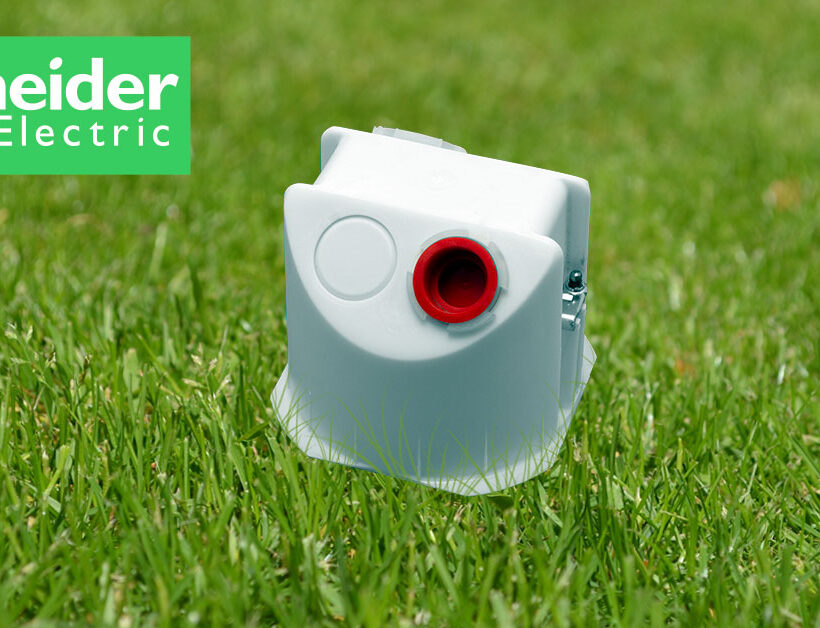
Schneider Electric and LATI for Sustainability with Multifix BIO
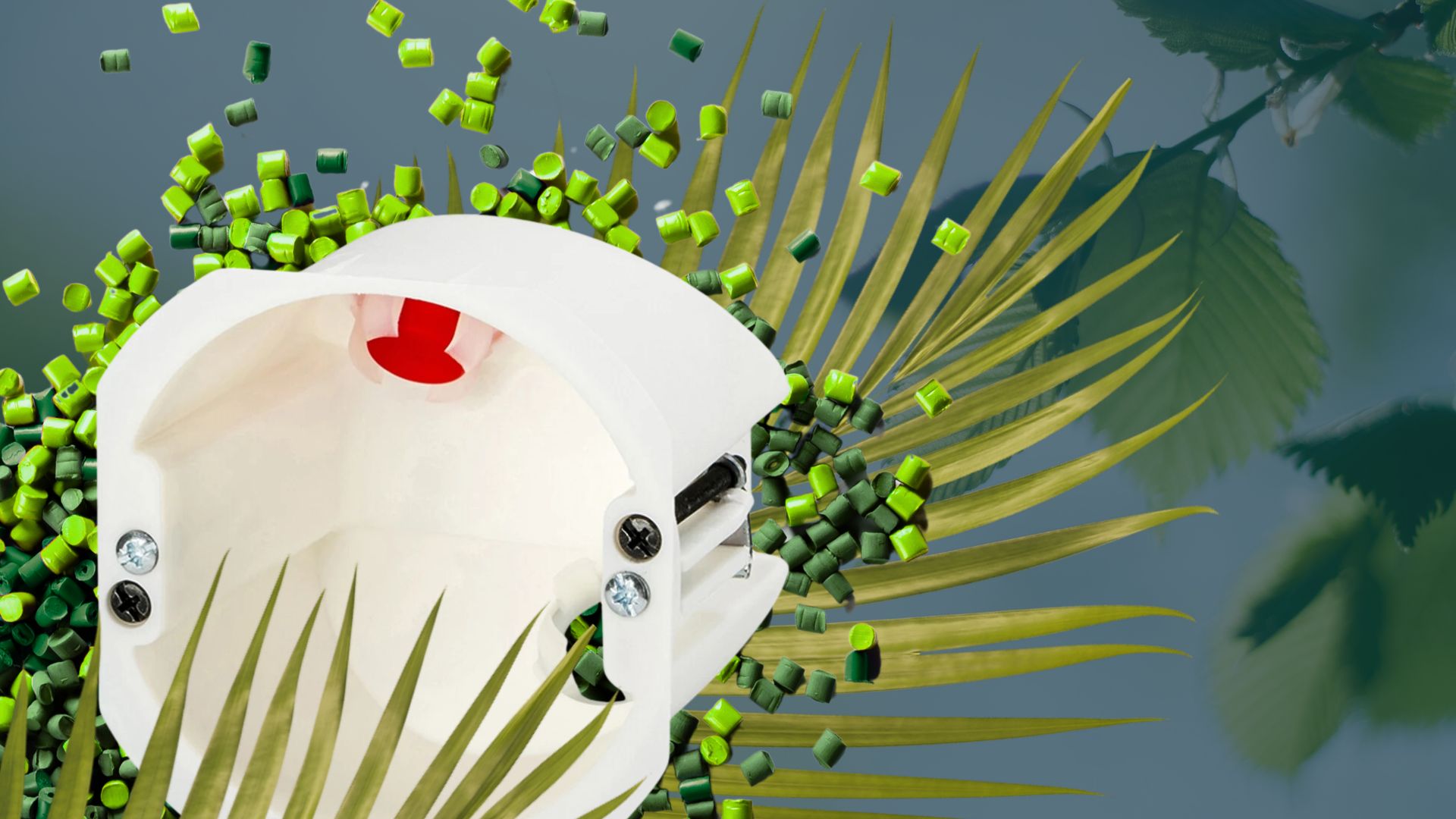
From the shared commitment to sustainability, environmental protection and innovation of Schneider Electric and LATI comes the Multifix Bio line of flush-mount junction boxes.
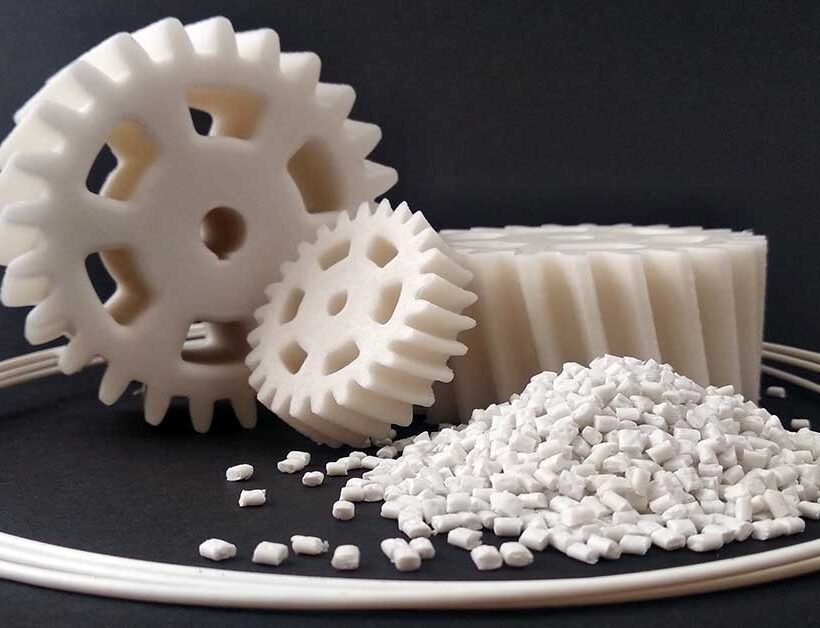
LATIGEA B01 L/07: 100% Renewable-Sourced Thermoplastic with Wood Fibers
LATIGEA B01 L/07 is a thermoplastic compound developed by LATI from 100% renewable sources, such as wood fibers. Biodegradable and recyclable, this material combines environmental sustainability, natural appearance, and good technical performance, making it ideal for eco-friendly consumer applications.
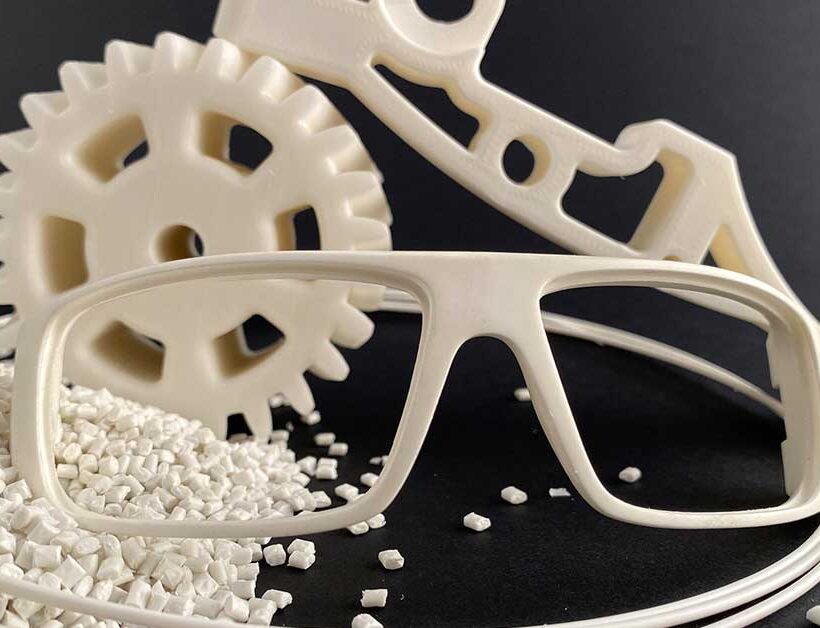
High-Performance PLA Compound for 3d Printing: beyond the Limits of Traditional PLA
PLA, along with ABS and PETg, is today one of the most widespread polymers for filaments intended for 3D printing thanks to its low cost and ease of use.
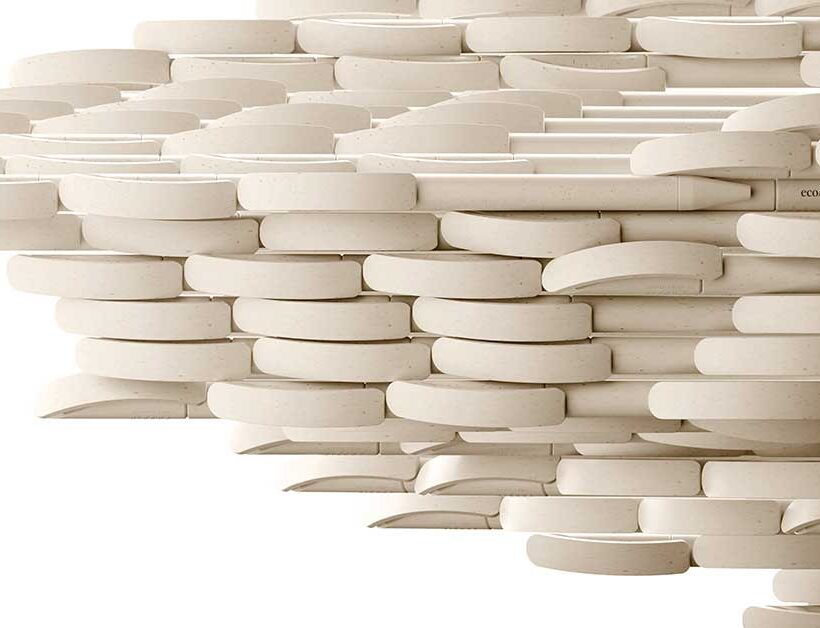
Biodegradable PLA-based Thermoplastic Compound: Sustainability and Performance for Eco-Friendly Products
The rapid evolution of sustainable and low environmental impact products certainly rewards those Companies that see “green” products as an important opportunity to share with the market