

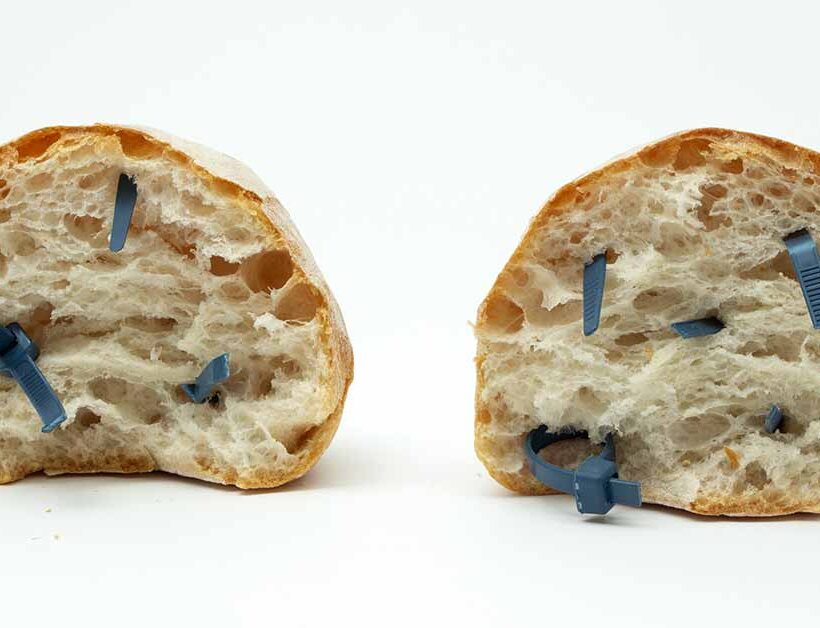
Detectable Compound for the Food Industry: Prevention of Plastic Contamination
As is well known, the costs associated with recalling entire supplies of finished products from the market due to quality or safety issues can be truly substantial.
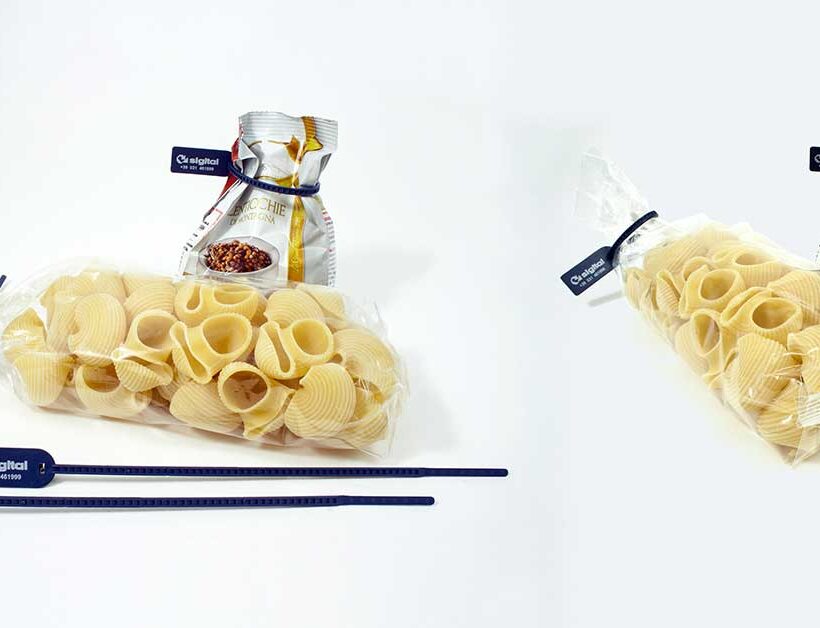
Metal detector and X-ray detectable compound: total safety and control
LATI’s experience in metal detector detectability stems from intensive fine-tuning activities for compounds with pronounced paramagnetic and ferromagnetic behavior.
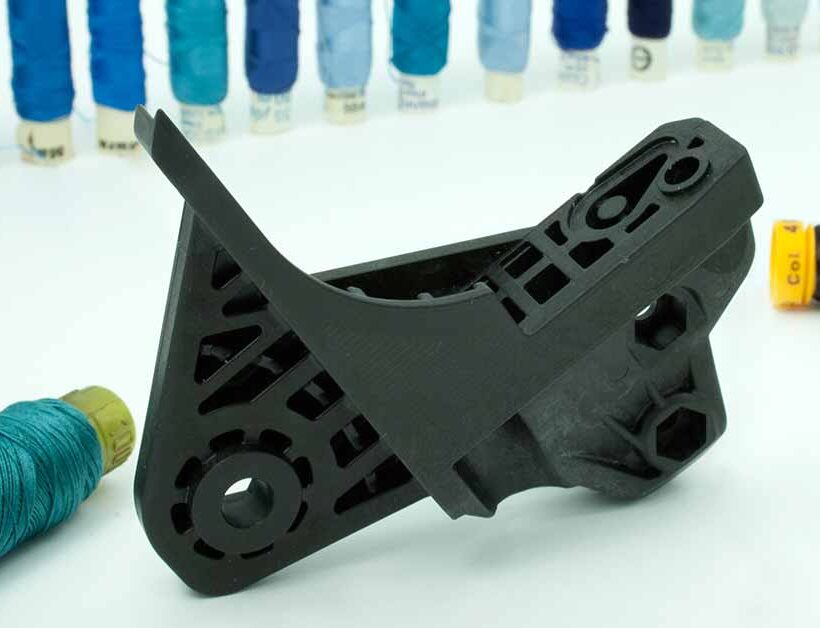
LATI HM: the Lightness of Polymers Meets the Rigidity of Metals
Lightness, robustness, and rigidity are of fundamental importance for any mechanism, especially if integrated into a device that operates at very high speeds and requires great precision.
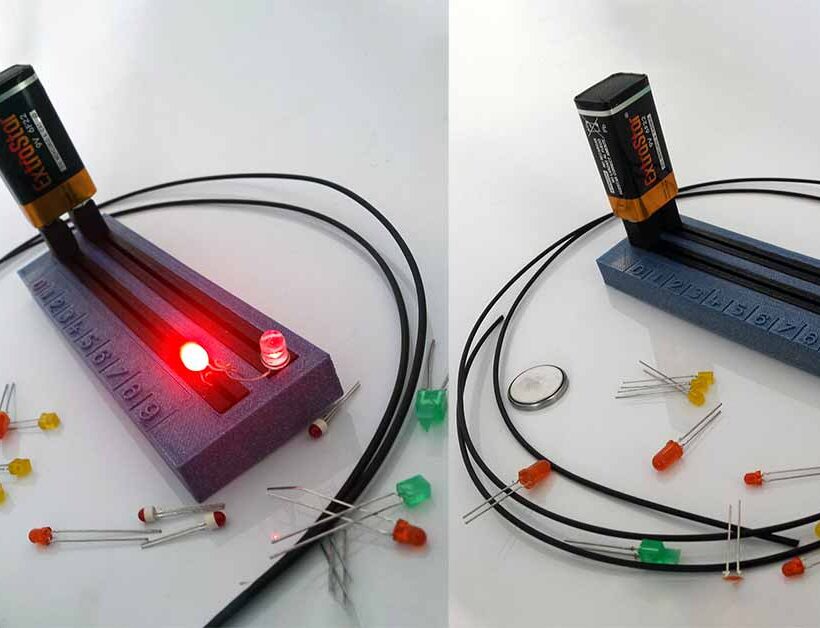
Electroconductive Filament for 3d Printing: New Frontiers for Prototyping and Functionality
LATI has recently decided to invest its expertise in technical thermoplastic compounds in the world of 3D printing, a sector experiencing exponential growth with a future still in complete evolution.

Self-lubricating Compound for Marine Applications
Applications intended for the marine sector are among those subjected to the most severe stress from a mechanical, thermal and environmental point of view.
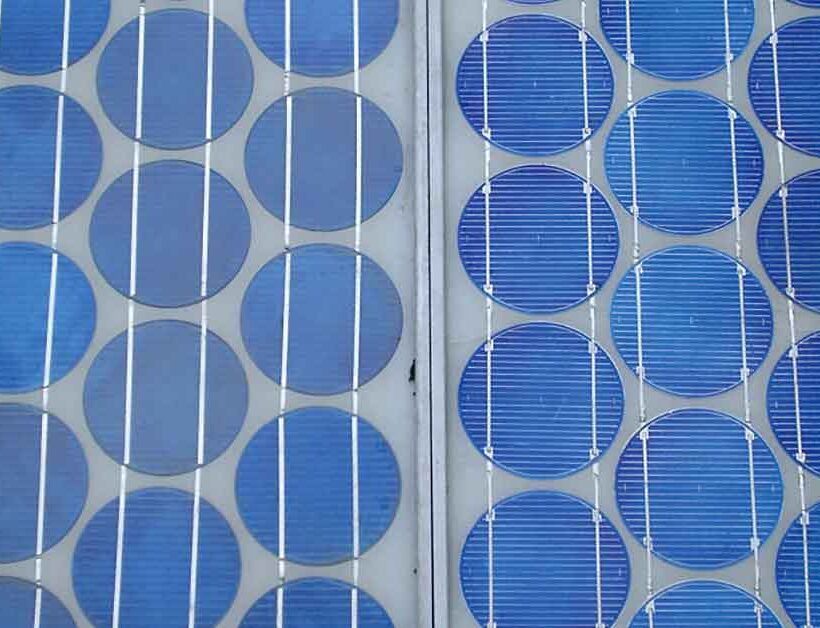
Technopolymer Compounds for Renewable Energy: Advanced Materials for a Sustainable Future
Renewable energy sources and energy saving have long been at the center of attention of global industrial, political and financial systems.

Biodegradable PLA-based Thermoplastic Compound: Sustainability and Performance for Eco-Friendly Products
The rapid evolution of sustainable and low environmental impact products certainly rewards those Companies that see “green” products as an important opportunity to share with the market
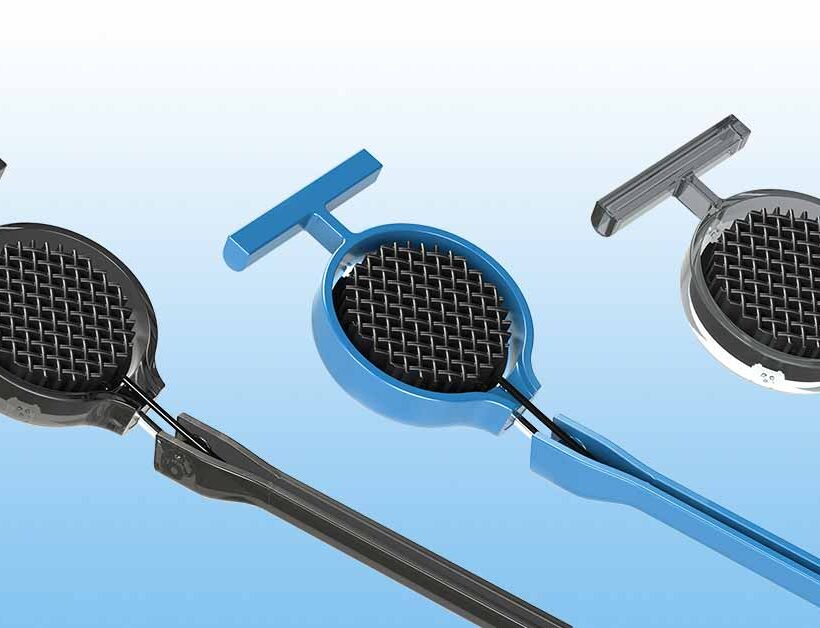
High-Performance Thermally Conductive Compound: Guide to Advantages and Myths
Nearly ten years after their market introduction, the commercial success of thermoplastic compounds with improved thermal conductivity can be considered consolidated.
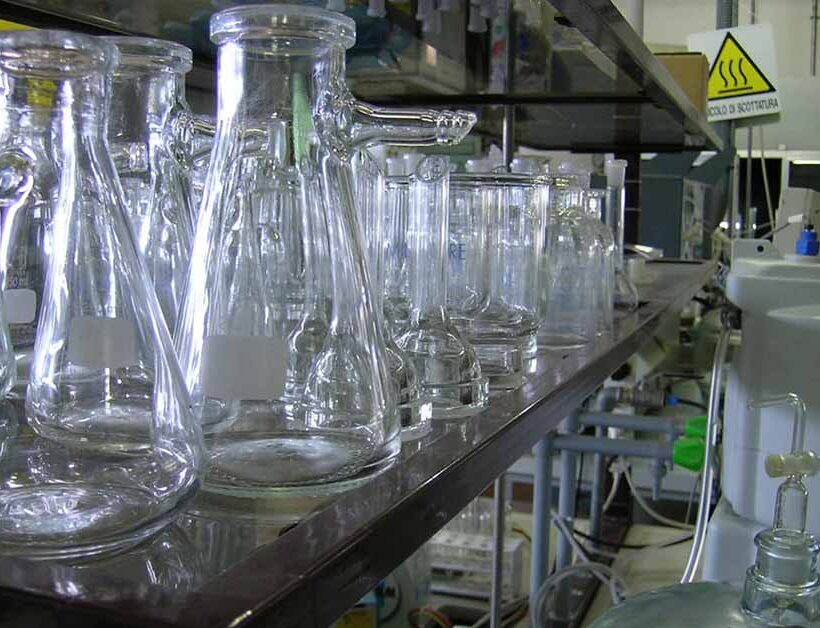
LATI Medical Compounds: Safety, Sterilizability and Performance for the Healthcare Sector
Polymers used to produce medical devices and packaging can be sensitive to hydrolysis caused by autoclave sterilization
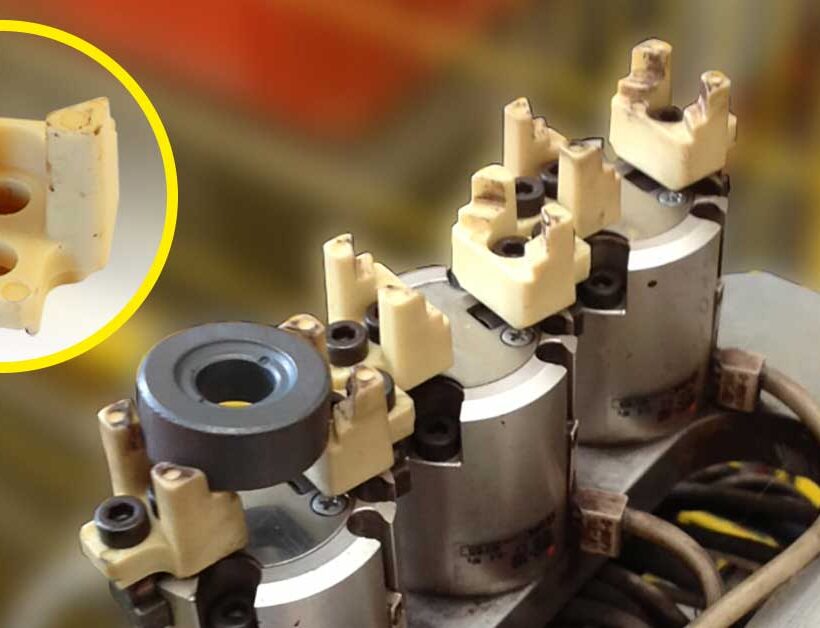
Self-lubricating Compound for Industrial Automation
Lowering the coefficient of friction and increasing wear resistance as much as possible: these are the goals set for Saroplast to replace sintered metal in a highly critical application in the automation sector.