


Technical Compounds for Industrial 3d Printing: LATI3Dlab, the Laboratory Dedicated to Additive Manufacturing, is Born
The Additive Manufacturing market, after an initial phase linked to aesthetic products and resins with limited thermal, mechanical, and functional requirements, has now reached maturity, both in the field of 3D printer manufacturers
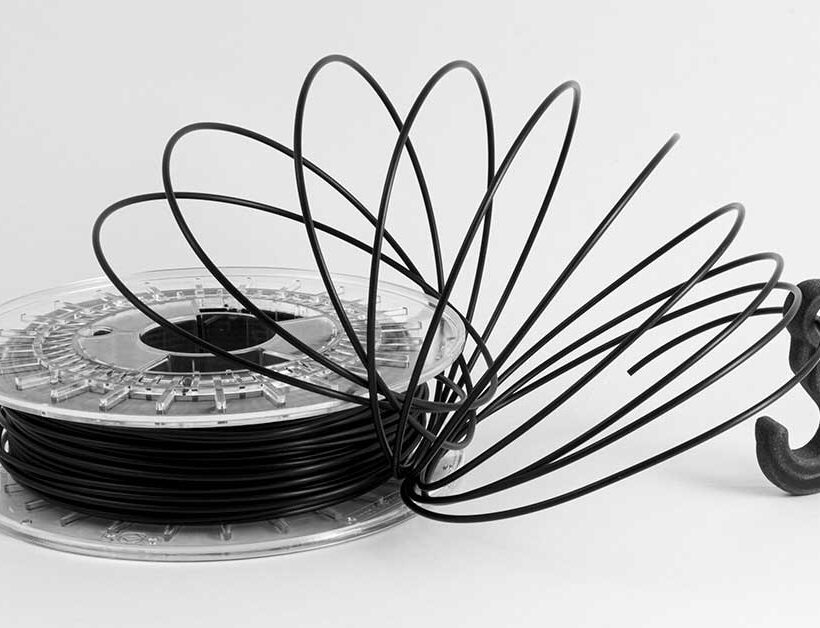
LATAMID 12 H2 K/15: Profplast’s Technical Filament for High-Performance 3d Printing
Profplast, a company active in the field of filaments for additive manufacturing based in Poland, has decided to specialize in the production of items characterized by a strong technical content and therefore aimed at a demanding clientele
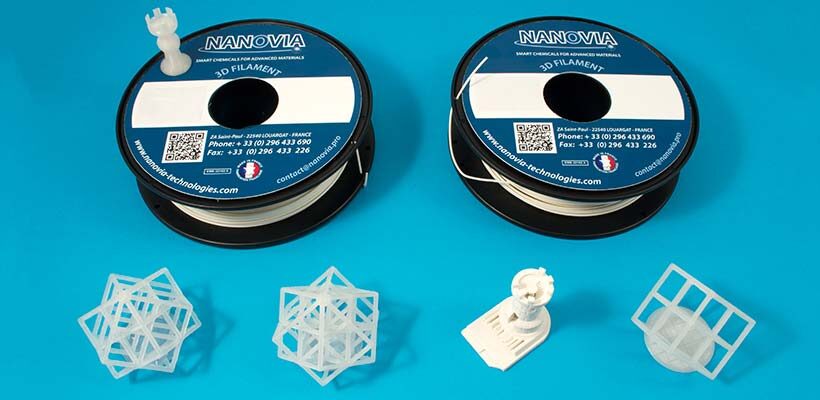
Radiopaque Filament for 3d Printing
3D printing as an industrial production tool is becoming a reality thanks to the rapid evolution affecting not only hardware equipment and control software, but also the resins used for filament extrusion.
Recyclable Flame-Retardant Compound: Sustainability and UL-certified Performance
Reducing the impact on the environment and human health: a cross-cutting and fundamental issue for products and processes across the entire industrial world
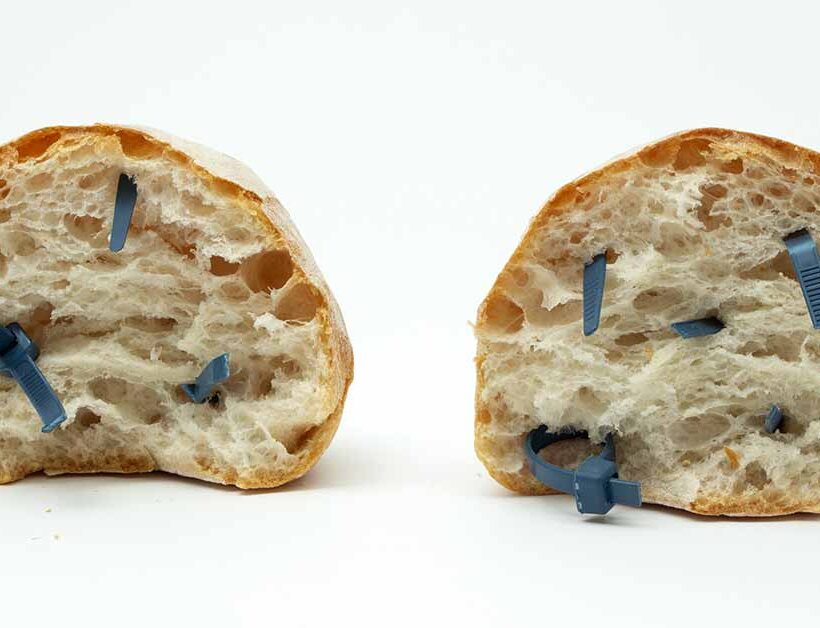
Detectable Compound for the Food Industry: Prevention of Plastic Contamination
As is well known, the costs associated with recalling entire supplies of finished products from the market due to quality or safety issues can be truly substantial.
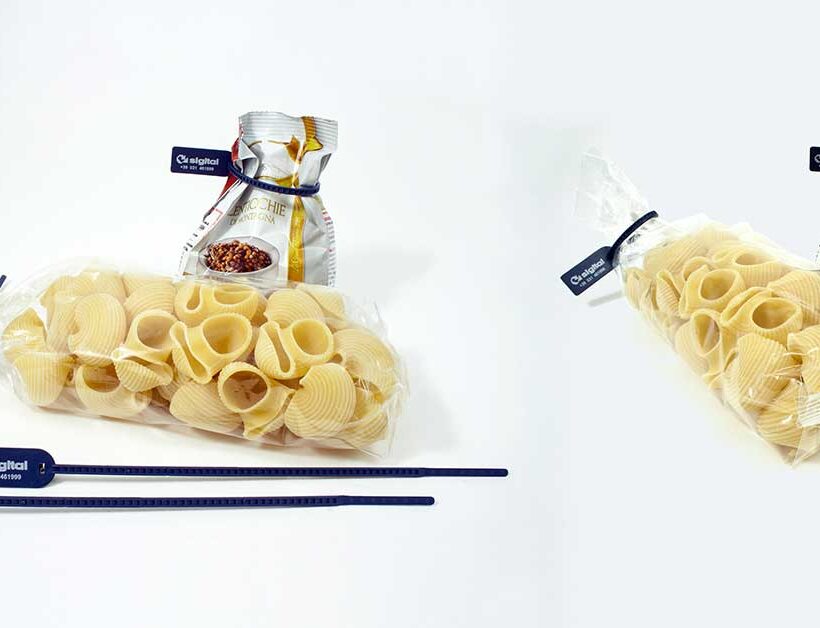
Metal detector and X-ray detectable compound: total safety and control
LATI’s experience in metal detector detectability stems from intensive fine-tuning activities for compounds with pronounced paramagnetic and ferromagnetic behavior.
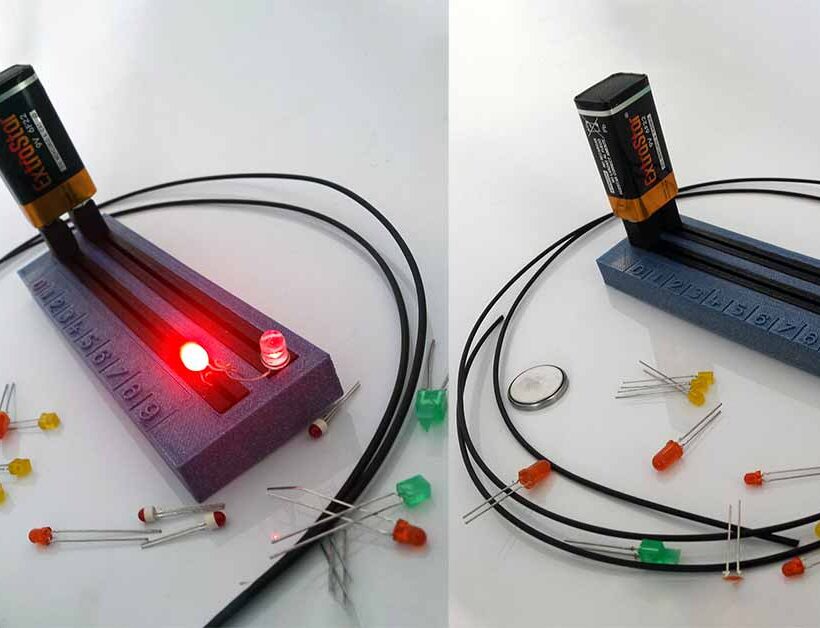
Electroconductive Filament for 3d Printing: New Frontiers for Prototyping and Functionality
LATI has recently decided to invest its expertise in technical thermoplastic compounds in the world of 3D printing, a sector experiencing exponential growth with a future still in complete evolution.
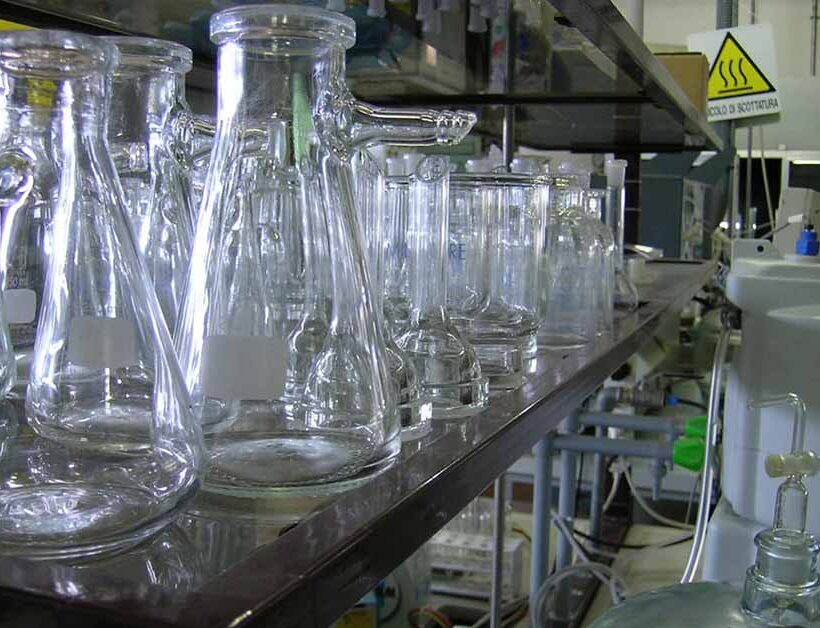
LATI Medical Compounds: Safety, Sterilizability and Performance for the Healthcare Sector
Polymers used to produce medical devices and packaging can be sensitive to hydrolysis caused by autoclave sterilization
 Accessibility Statement