


How to Choose the Right Material for Safety in Household Appliances

LATI Obtains BIS Certification for a Flame-Retardant Compound for the Indian Market

LATI in Renault 2025 Panel: Thermoplastic Compounds for Electric Mobility
LATI confirms its leading role in the transition towards sustainable mobility, with high-performance thermoplastics included in Renault Group’s A-PMR 2025 panel.

Safer Food Conveyor Belts Thanks to Detectable Compounds
Metal detectable technical polymers for food processing: traceability and safety become standard in food contact plastic materials. The GANAL case study.

Hairstyling and High Temperatures: Material Technology in the BabylissPRO Straightener

High Temperature, Zero Noise: the New Standard in Professional Hair Dryers

Flame Retardant Additives: What They are and why They Really Matter
From halogenated compounds to intumescent systems, an overview of the ingredients that make polymers safe, considering performance, regulations, and sustainability.

Polymer Flame Behavior: What Do the Regulations Say?
From UL94 Classification to Glow Wire Test and Thermal Indices: Discover the Regulations Governing Polymer Flame Resistance and Their Impact on Industrial Applications

The Importance of Flame-Retardant Materials in High-Risk Sectors
From short-circuit protection to smoke toxicity reduction: how flame-retardant materials can ensure safety

Technical Compounds in Orange: Safety and Performance for Electric Mobility
Performance, safety, and color stability: the new orange compounds for safer electric mobility, with LATI’s IATF 16949 certified quality to ensure total reliability and traceability.
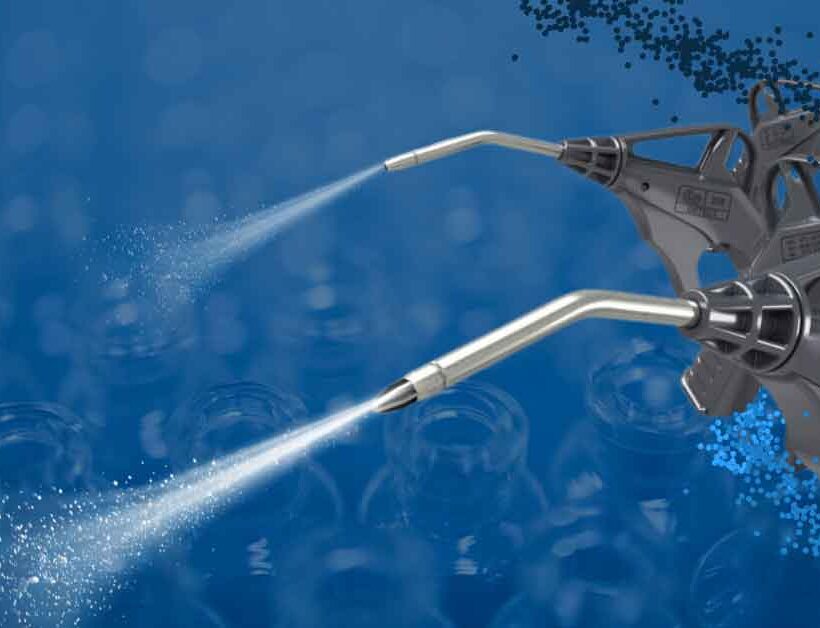
CEJN Chooses LATI Detectable Compounds: Stop Contamination!
Discover why CEJN has selected LATI’s detectable thermoplastic materials for the production of the new 208 Detect blow gun

Reliable Detectable Plastic Materials for Demanding Food Production Environments
In the highly regulated and demanding food sector, safety, durability, and hygiene are essential
 Accessibility Statement