


Schneider Electric and LATIECO: Together for Sustainable RESi9 Switches

LATI Obtains OCS Certification: the Value of those who Prevent Pellet Loss Every Day

Hairstyling and High Temperatures: Material Technology in the BabylissPRO Straightener

High Temperature, Zero Noise: the New Standard in Professional Hair Dryers

Flame Retardant Additives: What They are and why They Really Matter
From halogenated compounds to intumescent systems, an overview of the ingredients that make polymers safe, considering performance, regulations, and sustainability.

Polymer Flame Behavior: What Do the Regulations Say?
From UL94 Classification to Glow Wire Test and Thermal Indices: Discover the Regulations Governing Polymer Flame Resistance and Their Impact on Industrial Applications

The Importance of Flame-Retardant Materials in High-Risk Sectors
From short-circuit protection to smoke toxicity reduction: how flame-retardant materials can ensure safety

LATI Obtains ISO 50001 Certification: a New Milestone for Energy Sustainability
LATI has reached an important milestone: obtaining the ISO 50001:2018 certification, the international standard for energy management.
LATI Awarded at the Merit Forum for its Commitment to Promoting a Meritocratic Corporate Culture
LATI Industria Termoplastici, a historic Italian company, received the prestigious Merit Forum Award during the 8th Merit Day, an event organized by the Meritocracy Forum.

LATI Awarded the ClimatePartner Campo Dei Fiori Impact Award 2025 for its Contribution to Reforestation
A recognition that celebrates LATI’s commitment to sustainability and environmental protection, with a positive impact on the Campo dei Fiori Park in Varese
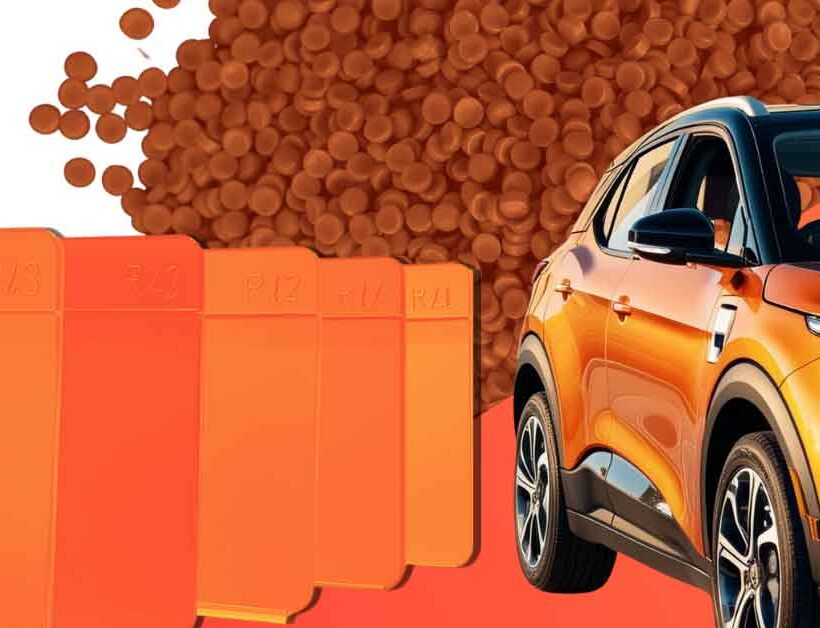
Technical Compounds in Orange: Safety and Performance for Electric Mobility
Performance, safety, and color stability: the new orange compounds for safer electric mobility, with LATI’s IATF 16949 certified quality to ensure total reliability and traceability.

Lead-free Brass and Structural Compounds: Innovative Materials for a Safer Future
European regulations and growing public health concerns are accelerating the elimination of leaded brass, driving the industry toward alternative and innovative materials such as ecological alloys and structural thermoplastic compounds.
 Accessibility Statement