


LATI Obtains OCS Certification: the Value of those who Prevent Pellet Loss Every Day

Training, KPIs, and Audits to Integrate Certifications into Business Processes

LATI Obtains ISO 50001 Certification: a New Milestone for Energy Sustainability
LATI has reached an important milestone: obtaining the ISO 50001:2018 certification, the international standard for energy management.

EcoVadis 2024: LATI Awarded Platinum Medal for Sustainability
We are proud to announce that for the fourth consecutive year, LATI has received the EcoVadis recognition, obtaining the platinum medal for sustainability.

LATI Obtains IATF 16949:2016 Certification
We are pleased to announce that we have recently obtained the prestigious IATF 16949:2016 certification, reinforcing our commitment to quality excellence and opening new opportunities in the automotive sector.

EcoVadis 2023: Gold Medal and Score Increase for LATI
LATI Industria Termoplastici S.p.a. celebrates its third consecutive year of success with the prestigious gold medal from EcoVadis, demonstrating its ongoing commitment to sustainability and Corporate Social Responsibility (CSR)
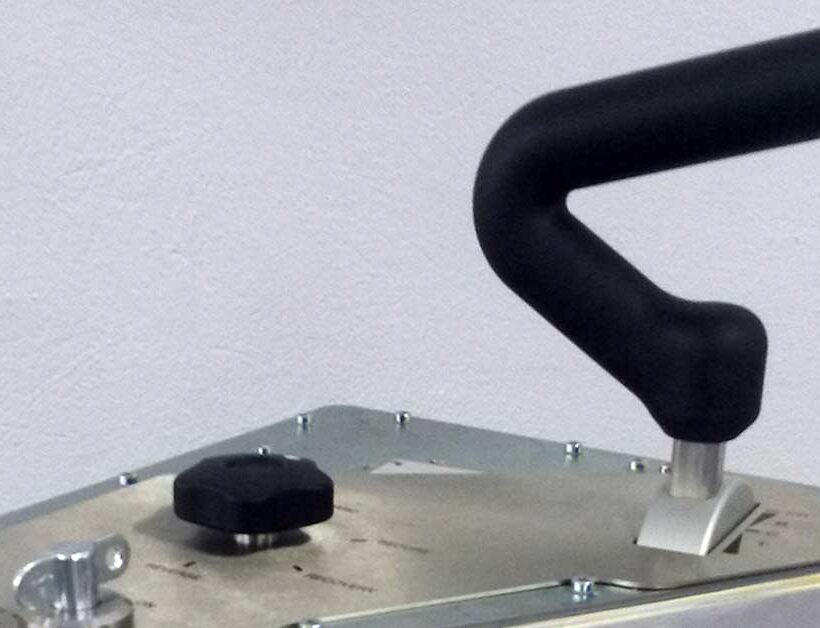
Self-extinguishing Structural Compound for Railway Applications: SPII’s Experience with LATI
Italian SPII S.p.A. is a leading company in the design and construction of components and equipment for railway vehicles, specialized in control desks and driving stations for railway and industrial applications.
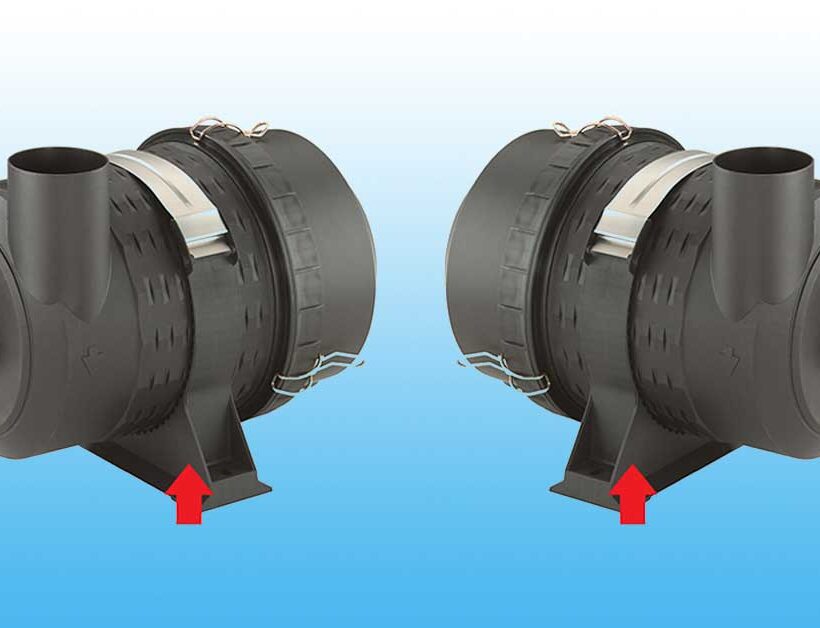
EN45545 Flame-Retardant Compound: Requirements, Materials, and Railway Applications
Recent innovations in LATI S.p.A.’s flame-retardant thermoplastic compounds have captured the interest of designers working in the railway transport sector.

Flame-retardant Compound for the Railway Sector: Safe and Certified Materials for Rail Transport
The railway sector is among the most active in the process of replacing metals and many synthetic thermoset materials.
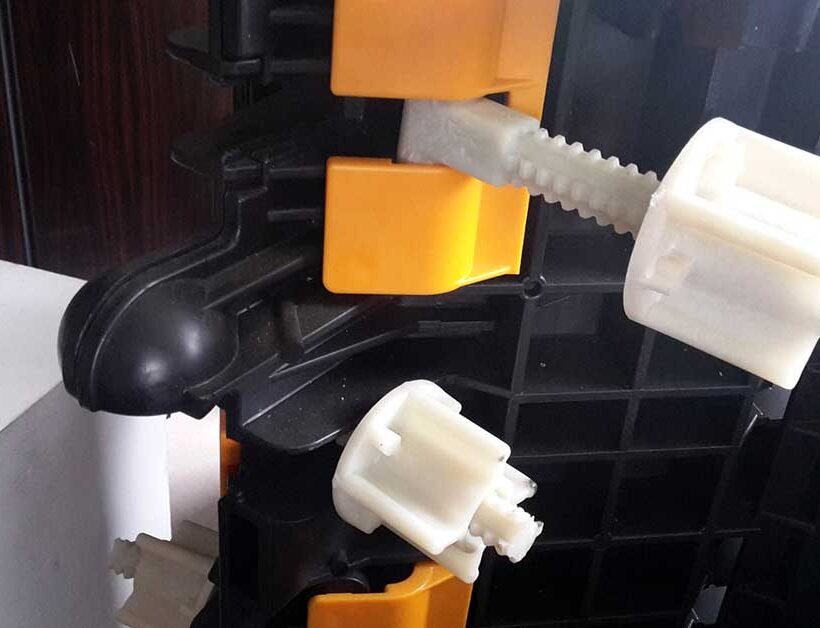
Lightweight Thermoplastic Compound without Blowing Agent: the New Frontier of Structural Lightness
Lightness and robustness are two characteristics that rarely coexist. For injection molded applications with thermoplastic compounds, it is difficult to conceive structural realizations capable of offering specific weights below 1.4-1.6 g/cc.
 Accessibility Statement