

Innovation in Low-Voltage Modular Devices
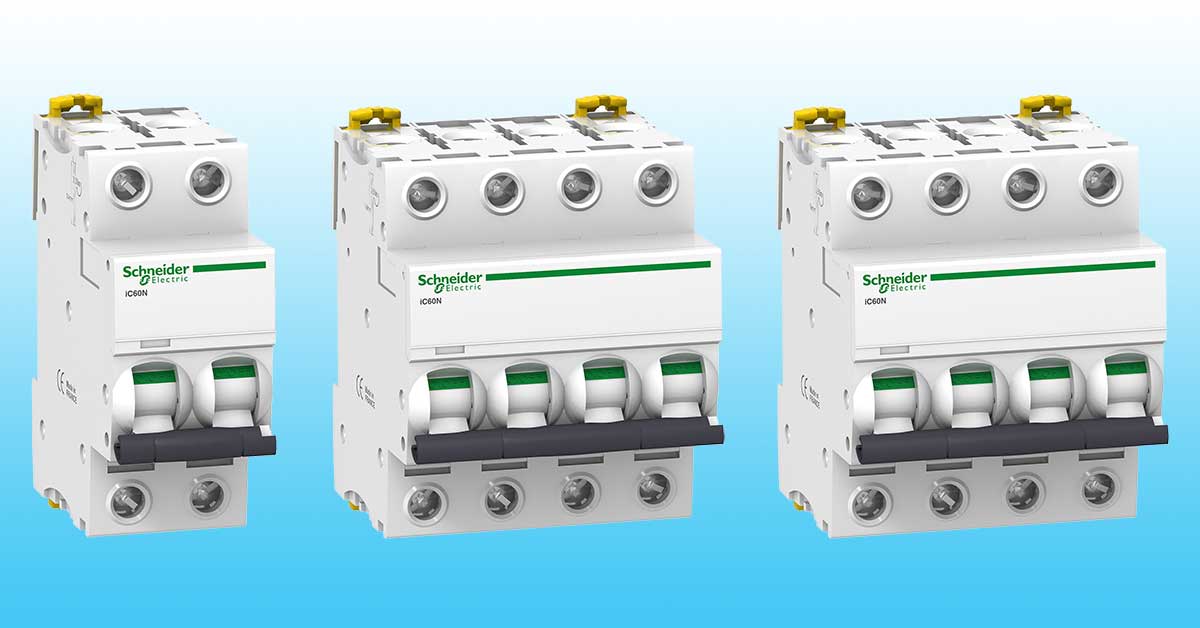
In the field of low-voltage electrical distribution, the evolution of devices is moving towards solutions that combine safety, ergonomics, and mechanical reliability. A significant example is the Acti 9 modular system by Schneider Electric, a platform designed for intelligent energy management.
Acti 9 includes devices for:
- Current protection and measurement
- Remote control and command
- Diagnostics, communication, and signaling
- Accessories for safe and intuitive installation
In a context where it is essential to ensure smooth and durable mechanical functionality, the choice of material for internal moving components becomes strategic.
The Role of Self-Lubricating Compounds in Electrical Mechanisms
Among the materials chosen by Schneider Electric is LATILUB 87/28-10T G/20, a self-lubricating compound for electrical switches, developed by LATI. This material is used for the production of the rotating cam that operates the switches in the Acti 9 range.
Key Characteristics of the Material:
- Amorphous polycarbonate (PC) matrix → ensures dimensional stability and geometric precision
- Integrated PTFE → reduced friction coefficient, maximum smoothness
- 20% glass fiber → high mechanical strength and structural rigidity
- Smooth and consistent operation over time, even in challenging environmental conditions (heat, humidity)
Technical Advantages of LATILUB Self-Lubricating Compounds
| Technical property | Application benefit |
| Very low friction coefficient | Smooth movement, no sticking |
| No need for external lubricants | Reduced maintenance, lower risk of malfunctions |
| Thermal and dimensional stability | Consistent precision even in critical environments |
| Composition free of oils, greases, liquid lubricants | Operational and environmental safety |
| Excellent workability | Ease of injection molding and repeatability of parts |
Applications in Modular Switch Systems
The use of a self-lubricating compound in internal mechanical components allows for:
- Greater durability over time
- No need for lubricant maintenance
- Greater operational safety, even in panels subject to thermal fluctuations
- Improved user experience, with smoother and more precise actuations
FAQ – Frequently Asked Questions
What is a self-lubricating compound?
It is a plastic material modified with additives (e.g., PTFE) to reduce internal friction without the need for external lubricants.
What are the advantages compared to traditional materials?
It eliminates maintenance, improves movement fluidity, and extends the component’s useful life.
Where are self-lubricating compounds used in electrical switches?
In internal moving mechanisms such as cams, levers, and rotating catches, where reliability and low friction are needed.
Want to Learn more?
If you are designing components for modular electrical switches, consider using self-lubricating compounds like LATILUB 87/28-10T G/20 to improve fluidity, safety, and drastically reduce maintenance.
Request samples or technical specifications of high-performance materials.
 Accessibility Statement