

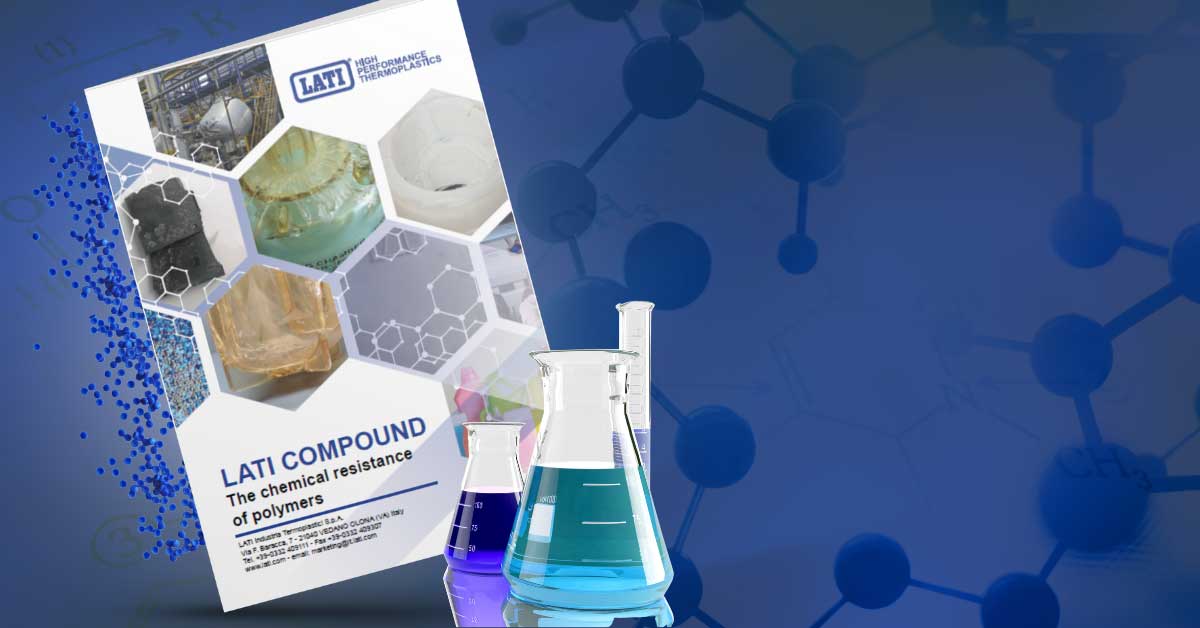
Imagine a material capable of containing the most corrosive acids that exist. Did you think of a metal? A titanium alloy or steel? Wrong answer. Plastics are indeed among the most resistant materials to chemical attack from liquids, gases, or simply adverse environmental conditions.
The Versatility of Plastics
From bases to strong acids, from solvents to hydrocarbons, from the corrosive action of industrial waste to that of disinfectants used in healthcare or food sectors: for every situation, there is a polymer capable of ensuring optimal performance in containing the degradation promoted by exposure to the aggressive substance.
Factors Influencing the Chemical Resistance of Polymers
Naturally, the resistance of polymers depends on multiple factors, including temperature, concentration, frequency and duration of contact, and the presence or absence of situations that may enable or amplify the effects of the attack. The nature of the aggressive substance should not be overlooked either, as many seemingly harmless substances, such as water or certain food liquids, can cause severe damage even in a short time.
Applications of Chemically Resistant Plastics
In what context is it necessary to protect our projects from the deleterious action of chemicals? Not only in obviously demanding sectors such as the chemical, food, or pharmaceutical industries, but also in those applications that are daily exposed to hot water, steam, and refrigerants. Would you like to know how to choose the perfect polymer for highly demanding work environments? In our new brochure dedicated to the chemical resistance of polymers, you will find not only practical guidelines but also a series of simple explanations regarding the main mechanisms of attack.
 Accessibility Statement